The retail landscape in mid-summer has undergone a significant transformation over the last decade, evolving from a period of traditional seasonal clearances into a high-stakes battleground for consumer electronics. Following the conclusion of Amazon’s massive Prime Day event, Best Buy has launched its "Black Friday in July" promotional campaign, effectively extending the window for consumers to secure record-low prices on sought-after technology. This year’s event is particularly notable for its aggressive pricing on Amazon-branded hardware, with many devices returning to their lowest price points of the year—discounts that were previously thought to be exclusive to Amazon’s own membership-based sale.
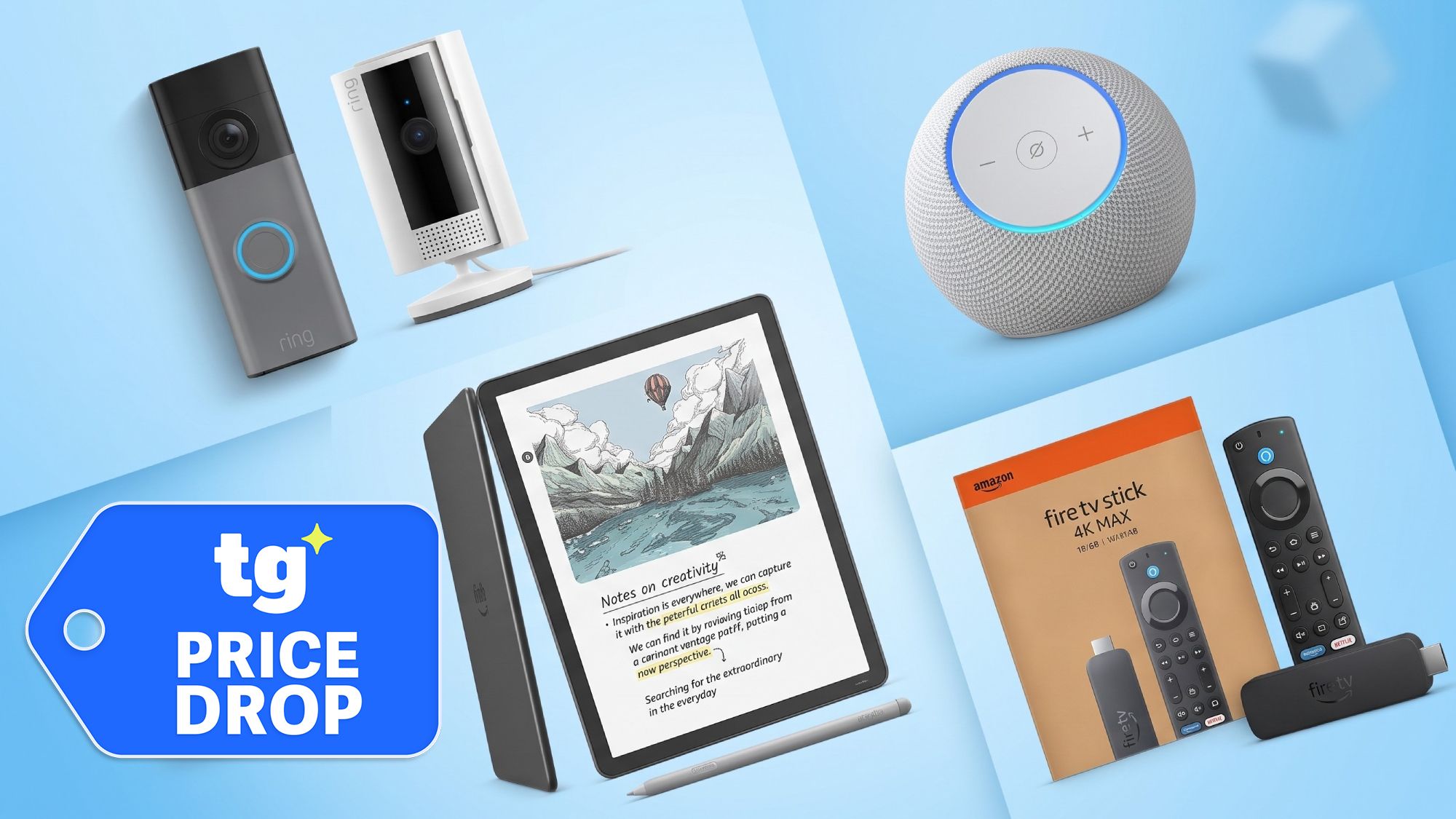
The current sale at Best Buy encompasses a wide array of the Amazon ecosystem, including Ring security systems, Blink cameras, eero mesh networking kits, and Fire TV sets. With entry-level pricing starting as low as $21, the event positions Best Buy as a primary destination for smart home enthusiasts who may have missed the 48-hour Prime Day window or who prefer the purchasing options offered by a traditional brick-and-mortar retailer, such as immediate in-store pickup and the technical support provided by the Geek Squad.
Strategic Timing and the Summer Sales War
The timing of the Best Buy Black Friday in July sale is a calculated maneuver within the broader retail industry. Historically, July was a quiet month for retail, characterized by "back-to-school" preparations that didn’t fully ramp up until August. However, since the inception of Amazon Prime Day in 2015, the month has become a "second November." Major retailers like Walmart, Target, and Best Buy have been forced to innovate to prevent a total loss of market share to Amazon during this period.
Best Buy’s decision to match or even undercut Prime Day pricing on Amazon’s own devices serves several purposes. First, it captures the "residual demand" from consumers who spent the Prime Day period researching products but failed to pull the trigger before the deadline. Second, it leverages Best Buy’s logistical advantage; while Amazon offers fast shipping, Best Buy allows for same-day gratification through its network of physical stores. This synergy between the two companies—where Best Buy acts as a premium showroom and distribution point for Amazon’s hardware—remains one of the more unique partnerships in modern tech retail.
Spotlight on the Echo Show 8 and Smart Home Integration
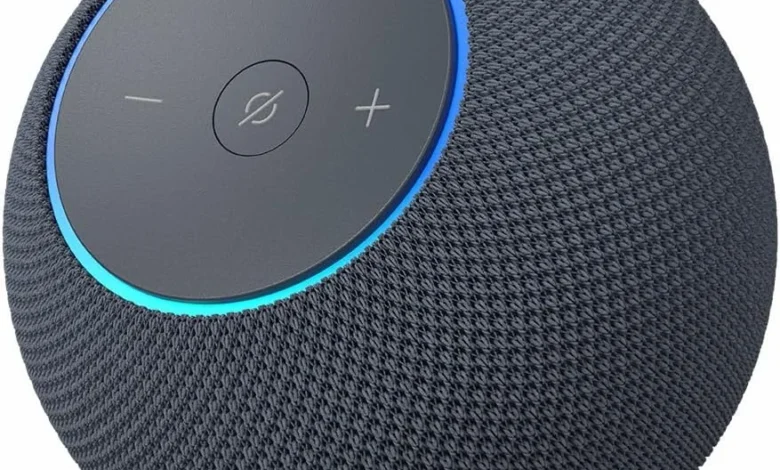
Among the standout offers in the current sale is the third-generation Echo Show 8, which is currently retailing for $124.99. This price matches the all-time low established during the spring and summer promotional cycles. The Echo Show 8 has long been considered the "Goldilocks" of the Amazon smart display lineup, offering a balance of screen real estate and audio quality that outperforms the smaller Echo Show 5 without requiring the significant desk or counter space of the Echo Show 10 or 15.
The latest iteration of the Echo Show 8 features a vibrant 8-inch HD display and an upgraded 13-megapixel camera that utilizes auto-framing technology for video calls. Perhaps most significantly for smart home aficionados, it includes a built-in smart home hub with support for Matter, Zigbee, and Sidewalk protocols. This allows the device to act as a central nervous system for a household’s various connected devices, ranging from light bulbs to thermostats, without the need for additional bridging hardware. The inclusion of spatial audio processing also marks a significant step forward in the device’s utility as a dedicated music player for kitchens or small living rooms.
Enhancing Home Security: Ring and Blink Discounts
The Best Buy event also places a heavy emphasis on home security, a sector that continues to see robust growth as consumers seek DIY solutions to home monitoring. Both Ring and Blink—subsidiaries of Amazon—are represented with significant price cuts.
Ring, which focuses on a more premium, feature-rich experience, has seen its Video Doorbell and floodlight camera models discounted to levels that challenge the value proposition of off-brand competitors. Analysts note that these discounts are essential for maintaining Ring’s market dominance as the smart doorbell market becomes increasingly saturated with low-cost alternatives.
Conversely, Blink devices are being positioned for the budget-conscious consumer. With cameras starting at the $20 to $30 range during this sale, Blink offers an entry point into home security that is nearly unparalleled in the industry. The Blink Outdoor 4, known for its two-year battery life and ease of installation, remains a top seller during these mid-summer sales events, as homeowners look to secure their properties before embarking on summer vacations.
The Fire TV Ecosystem and the Shift to Smart Displays
The "Black Friday in July" sale extends deep into the television category, with Amazon Fire TVs receiving substantial markdowns. This includes both the budget-friendly 2-Series and 4-Series models, as well as the more advanced Omni Series. The Omni Series is particularly noteworthy for its "Ambient Experience," which turns the television into a smart display when not in use, showing artwork, weather updates, and smart home notifications.
The aggressive pricing on Fire TVs—often seen under $200 for 43-inch 4K models—highlights a broader trend in the industry: the hardware is increasingly viewed as a gateway to service revenue. By placing Fire TVs in more homes at a low initial cost, Amazon and its retail partners like Best Buy ensure a steady stream of users for the Prime Video platform, ad-supported streaming services, and the Alexa voice assistant ecosystem.
Networking with eero: The Backbone of the Modern Home
As homes become increasingly crowded with connected devices, the demand for robust mesh networking has surged. Best Buy’s sale includes various configurations of the eero mesh Wi-Fi systems. Known for their "set-it-and-forget-it" simplicity and sleek design, eero routers have become the standard for consumers who want to eliminate dead zones without the complexity of traditional enterprise-grade networking gear.
The sale includes the eero 6 and eero Pro 6E systems, the latter of which supports the Wi-Fi 6E standard. This is a critical upgrade for users with high-speed fiber internet connections, as it opens up the 6GHz band to reduce congestion and increase throughput. By discounting these systems alongside smart cameras and displays, Best Buy is effectively selling the "complete package"—the devices themselves and the infrastructure required to make them run smoothly.
Market Implications and Retail Strategy
From an analytical perspective, Best Buy’s "Black Friday in July" is more than just a clearance event. It is a strategic effort to bolster Q3 earnings in a year where consumer spending on discretionary electronics has faced headwinds due to inflation and shifting post-pandemic priorities. By aligning with Amazon’s pricing, Best Buy ensures it remains relevant in the conversation, preventing a total exodus of tech-focused shoppers to online-only platforms.
Retail experts suggest that these events also serve as a "testing ground" for the actual Black Friday in November. Retailers use the data gathered in July—which products sold out fastest, which price points triggered the most conversions—to refine their inventory and marketing strategies for the holiday season. For Amazon, allowing Best Buy to match its prices helps maintain volume and ecosystem growth, even if it means sharing the retail margin with a competitor.
Timeline of Summer Retail Events
To understand the context of this sale, one must look at the 2024 summer retail timeline:
- June 2024: Retailers began "Early Summer" sales to clear out 2023 model-year televisions and appliances.
- July 8-10, 2024: Target held its "Circle Week," offering member-only discounts to compete with the upcoming Prime Day.
- July 16-17, 2024: Amazon held its official Prime Day, setting the benchmark for tech pricing.
- Late July 2024: Best Buy launched "Black Friday in July," extending Prime Day prices to the general public and its "My Best Buy" members.
This chronology demonstrates that the summer "deal window" has expanded from a few days to nearly a full month of rolling promotions across different platforms.
Conclusion and Consumer Outlook
The Best Buy Black Friday in July sale represents a significant opportunity for consumers who missed the initial mid-month rush. By offering Amazon’s flagship devices at parity with Prime Day prices, Best Buy has effectively democratized these discounts, removing the "Prime-membership" barrier for many shoppers.
As the sale continues through the week, the focus remains on the integration of the smart home. Whether it is the Echo Show 8 acting as a kitchen command center or an eero system providing the data backbone for a household, the message from retailers is clear: the summer is no longer a time for a retail hiatus, but rather the best time of year to upgrade the digital home. Consumers are encouraged to act quickly, as inventory for these high-demand Amazon devices often fluctuates during the final days of these major promotional windows.